
When Do You Need a Wisdom Tooth Extraction?
Wisdom teeth, also called third molars, are the last adult teeth to develop. They usually appear in the late teens or early twenties, and they do not always have enough room to come in normally.
The main question is not whether you have wisdom teeth. It is whether they are causing damage, increasing risk, or likely to create problems soon. Dentists often recommend removal based on when extraction is necessary, especially when a tooth is diseased, trapped in a harmful position, or difficult to keep healthy over time.
At Coastland Dental in Burbank, CA, we offer wisdom tooth extraction services for patients who need evaluation or removal of problematic third molars.
What Makes Wisdom Teeth More Likely to Cause Problems?
Wisdom teeth often do not erupt into a useful, easy-to-clean position. When there is not enough space in the jaw, the tooth may stay trapped under the gum or bone, partly erupt, or lean into the tooth in front of it.
That position matters because hard-to-clean wisdom teeth can collect plaque and bacteria. Over time, that can lead to tooth decay and gum inflammation.
Partially erupted wisdom teeth are especially prone to trouble. A flap of gum can cover part of the tooth and create a pocket where food and bacteria get trapped.
This may lead to pericoronitis, which is inflammation or infection around a partially erupted tooth. Common signs include swelling, pain when biting, a bad taste, and difficulty opening the mouth fully.
Signs You May Need Extraction
A wisdom tooth may need extraction when it causes symptoms or shows clear signs of disease. Pain is one reason, but it is not the only one.
Common warning signs include repeated infection around the tooth, swelling, jaw soreness, pressure, food trapping, or decay that cannot be restored predictably. In some cases, the wisdom tooth does not hurt much, but it is damaging the second molar next to it.
Dentists often look for these patterns:
- Recurrent pericoronitis
- Cavities in the wisdom tooth or the tooth in front of it
- Gum pocketing and bone loss behind the second molar
- A wisdom tooth pushing sideways into a neighboring tooth
- A cyst, which is a fluid-filled sac, around an unerupted tooth
- Root damage or resorption, meaning the nearby tooth structure is being worn away
- A tooth that has erupted so far out of position that it has no useful biting function
A brief episode of soreness does not always mean removal is necessary. The case for extraction becomes stronger when symptoms keep returning or an exam shows visible damage.
When Monitoring Is Reasonable
Not all wisdom teeth need to be removed. If a wisdom tooth is fully erupted, functional, cleanable, and free of decay or gum disease, monitoring may be a reasonable option.
The same can be true for some unerupted wisdom teeth that are fully buried in bone and not affecting nearby structures. In that situation, a dentist may recommend periodic exams and X-rays instead of surgery.
Monitoring works best when the risk is low. That means no active infection, no damage to the second molar, no suspicious cystic changes, and no sign that the tooth is likely to erupt into a harmful position.
A symptom-free wisdom tooth is not automatically healthy. But it is also not automatically a surgical problem.
How Dentists Decide Whether Removal Is Necessary
The decision usually depends on both a clinical exam and dental imaging. A panoramic X-ray is often used because it shows the position of the wisdom teeth, nearby roots, bone levels, and important structures such as the lower jaw nerve.
Dentists assess whether the tooth is impacted, meaning trapped below the gum or bone. They also look at the angle of the tooth, the amount of available space, and whether the area can be cleaned reliably.
Findings That Often Support Extraction
A recommendation for removal becomes more convincing when several risk factors are present at once. For example, a partially erupted tooth with repeated inflammation, decay on the second molar, and an X-ray showing the wisdom tooth tilted forward usually points toward extraction.
Another strong reason is damage to the tooth in front of the wisdom tooth. Protecting a healthy second molar is often more important than trying to keep a poorly positioned third molar.
Age and Timing Matter
Wisdom tooth removal is often simpler at younger ages, before repeated infection or damage develops. Younger patients also tend to heal more predictably.
Still, age alone is not the reason for surgery. The more important question is whether the tooth is likely to stay healthy and harmless over time.
Symptoms That Need Faster Dental Attention
Some wisdom tooth problems can wait a few days for a routine visit. Others should be checked quickly, especially if infection may be spreading.
Seek prompt emergency dental care if you have facial swelling, fever, or trouble opening the mouth. Faster evaluation is also important for pus drainage, worsening pain, a bad taste with swelling, pain when swallowing, or rapidly progressing pericoronitis symptoms.
Go to urgent care or an emergency setting if swelling affects breathing, swallowing, or your ability to manage saliva. Those signs are not typical routine wisdom tooth discomfort and should not be monitored at home.
What Extraction Can Prevent
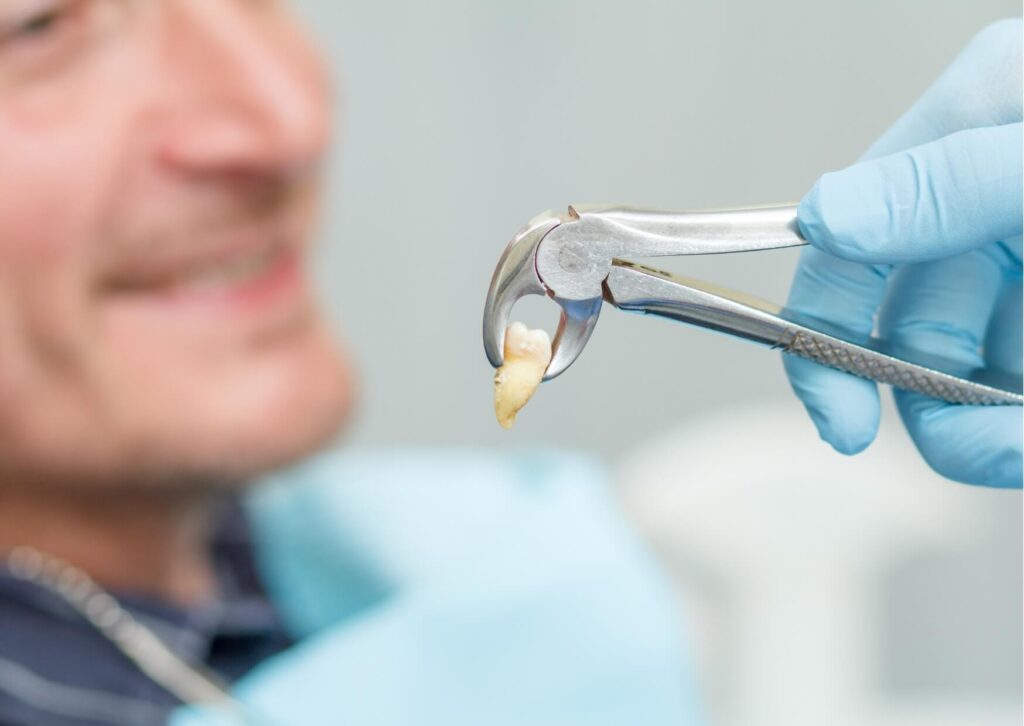
When a wisdom tooth is clearly high risk, removing it can help prevent larger problems. That may include repeated infection, cavities that spread to the second molar, chronic gum pocketing, and progressive bone loss.
There is also a practical benefit. It is often easier to remove a problematic wisdom tooth before it causes damage to the tooth next to it.
This does not mean preventive extraction is always the right choice. It means the decision should be based on measurable risk, not habit or fear.
What to Expect From the Evaluation
A wisdom tooth evaluation usually starts with a review of your symptoms. The dentist may ask about pain, swelling, food trapping, a bad taste, jaw stiffness, and past episodes of infection.
The exam often includes checking the gum tissue around the tooth, looking for pockets, and evaluating the wisdom tooth and second molar for decay. X-rays help confirm whether the tooth is impacted and whether nearby roots, bone, or nerves are involved.
If the findings are mild and stable, monitoring may be recommended. If the pattern suggests repeated disease or likely damage, the conversation usually shifts toward wisdom tooth extraction.
If you feel anxious about the procedure, ask about sedation dentistry to make treatment more comfortable.
A good consultation should help you understand both the current issue and the future risk. That clarity matters more than a one-size-fits-all answer.
Coastland Dental offers wisdom tooth extraction in Burbank, CA, and serves patients from nearby Glendale and North Hollywood. Call us at (818) 873-3449 to schedule an evaluation.
FAQs
Can you need a wisdom tooth extraction even if it does not hurt?
Yes. Some wisdom teeth cause little or no pain but still damage the tooth in front of them, trap bacteria under the gum, or develop cystic changes that show up on X-rays.
Do all impacted wisdom teeth need to be removed?
No. Some impacted wisdom teeth can be monitored if they are not causing disease, are not damaging nearby teeth, and appear low risk on imaging.
Is infection around a wisdom tooth an emergency?
Not always, but it can become urgent if swelling spreads, fever develops, mouth opening becomes limited, or swallowing is painful. Those signs deserve prompt evaluation.
At what age are wisdom teeth usually evaluated?
They are often assessed in the mid to late teens and early twenties, when eruption patterns become clearer. The right timing depends on development, symptoms, and X-ray findings.
Can a dentist watch the tooth instead of removing it right away?
Yes, if the tooth is healthy, stable, and low risk. Monitoring should still include regular dental follow-up because the status of wisdom teeth can change over time.
A dental abscess is a pocket of infection linked to a tooth or the surrounding…
A crown vs. filling decision usually comes down to one question: how much healthy tooth…
When a tooth is badly infected, deeply decayed, or structurally damaged, the choice often comes…
Flexible Payment Options
Get started in minutes with no impact on your credit—plus take advantage of 0% APR financing for up to 24 months.
- Quick approval process
- Soft credit check only - no effect on your score
- Apply funds to any dental service
Click below to check your eligibility—completely risk-free.